Cayla: A Practical Evaluation of a Modern Handwritten Typeface
In the crowded landscape of digital typography, finding a font that balances aesthetic charm with functional legibility is often a challenge. Cayla has emerged as a significant contender in this space, offering a handwritten style that feels less like a rigid script and more like a genuine human touch. For designers, marketers, and content creators seeking to inject personality into their work without sacrificing readability, Cayla presents a compelling option. This evaluation examines the practical application, design characteristics, and real-world utility of the typeface.
The Design Philosophy Behind Cayla
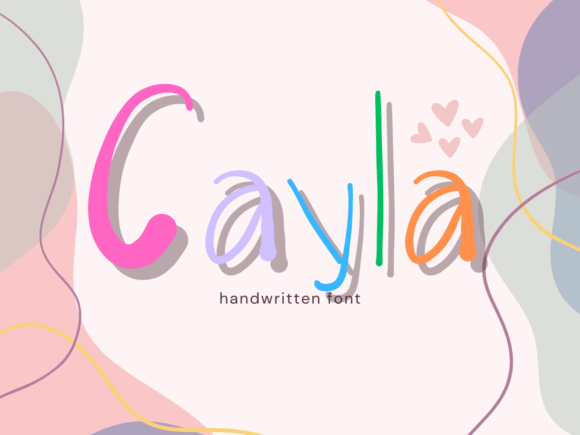
At its core, Cayla is designed to replicate the fluidity of natural handwriting while maintaining the structural integrity required for digital screens and print media. Unlike many decorative scripts that prioritize ornamentation over clarity, Cayla focuses on a clean, approachable flow. The letterforms feature variable stroke widths that mimic the pressure of a pen on paper, creating a dynamic rhythm across words and sentences.
The font's architecture avoids the common pitfall of "messy" handwriting fonts, where ligatures and connections become so intricate that they hinder reading speed. Instead, Cayla utilizes open counters and distinct character shapes. This design choice ensures that even at smaller point sizes, the text remains decipherable. For professionals who need to convey warmth or informality—such as wedding planners, lifestyle bloggers, or boutique shop owners—this balance is critical. It allows the message to feel personal, as if written by hand, while retaining the professional polish expected in commercial projects.
Key Characteristics and Technical Strengths
When evaluating a typeface for production use, technical robustness is just as important as visual appeal. Cayla demonstrates several key strengths that make it a versatile asset in a creative toolkit:
- Consistency in Flow: The transitions between lowercase and uppercase letters are smooth, preventing the disjointed look often found in lower-quality script fonts. This consistency helps maintain the reader's eye movement across lines of text.
- Character Set Completeness: A major advantage of Cayla is its comprehensive character set. It includes standard numerals, punctuation marks, and special characters necessary for modern communication. This eliminates the frustration of missing symbols when formatting addresses, prices, or social media handles.
- Legibility Across Media: Whether rendered on a high-resolution monitor or printed on textured cardstock, Cayla retains its definition. The ink traps and stroke adjustments ensure that the font does not blur or break up during the printing process.
Furthermore, the font supports various weights and styles, allowing designers to create hierarchy within their layouts. By pairing bold headers in Cayla with lighter body text, creators can guide the audience's attention effectively. This flexibility is essential for complex designs such as brochures, website landing pages, and multi-page documents.
Real-World Application and Performance
The true test of any font lies in its performance under real-world conditions. In practice, Cayla excels in scenarios requiring a blend of elegance and accessibility. Consider the context of social media marketing. Platforms like Instagram and Pinterest rely heavily on visual storytelling. A static image with blocky sans-serif text can feel impersonal. Integrating Cayla into graphic overlays, quote cards, or promotional banners adds an immediate layer of authenticity. The font's organic nature aligns well with user-generated content aesthetics, making brand messaging feel less corporate and more community-driven.
In the realm of stationery and packaging, Cayla offers substantial value. Small business owners often struggle to find fonts that do not look generic. Using Cayla for product labels, thank-you cards, or invoice headers distinguishes a brand from competitors. The handwritten quality suggests care and attention to detail, traits that consumers increasingly value. For example, a candle maker using Cayla on their packaging communicates a handmade, artisanal quality that a standard serif font simply cannot achieve.
However, performance varies based on usage. While Cayla is excellent for headlines, pull quotes, and short paragraphs, it may not be the optimal choice for long-form body copy. Extended reading in a cursive or semi-cursive style can cause eye strain for some audiences. Therefore, the most effective strategy involves using Cayla strategically—reserving it for emphasis rather than bulk information.
Audience Fit and Professional Use Cases
Understanding who benefits most from Cayla is crucial for maximizing its potential. The typeface is particularly well-suited for:
- Freelance Designers and Creatives: Those building portfolios or client deliverables need assets that are both unique and reliable. Cayla provides a distinctive voice that can elevate a project's overall presentation.
- Entrepreneurs and Small Business Owners: Individuals managing their own branding require cost-effective solutions that yield high returns. Cayla serves as a versatile tool for logos, social media graphics, and marketing materials without the need for custom calligraphy.
- Educators and Content Creators: Teachers creating worksheets or YouTubers designing thumbnails can use Cayla to make content feel more engaging and friendly. The informal tone lowers barriers for learners and viewers.
- Event Planners: From invitations to signage, the event industry relies on atmosphere. Cayla's graceful curves fit seamlessly into themes ranging from rustic weddings to modern baby showers.
For these groups, the font acts as more than just a visual element; it becomes a vehicle for brand identity. It signals creativity, approachability, and a human-centric approach to communication.
Limitations and Strategic Considerations
While Cayla offers numerous advantages, a balanced review must acknowledge its limitations. The primary constraint is context. Because the font carries a strong personality, it should not be used in environments demanding strict formality, such as legal documents, financial reports, or academic journals. In these settings, the casual nature of the script could undermine the perceived authority of the content.
Additionally, users should be mindful of color contrast. Handwritten fonts often have thinner strokes compared to heavy slab serifs. When placed against busy backgrounds or low-contrast colors, Cayla can lose legibility. To mitigate this, designers should pair the font with solid, neutral backgrounds or ensure sufficient padding around the text. Another consideration is the learning curve for beginners. Achieving the best results often requires adjusting kerning manually, especially in all-caps settings, to prevent letters from clashing or appearing too spaced out.
Long-Term Value and Workflow Integration
Investing in a high-quality font like Cayla offers long-term value beyond a single project. Once integrated into a workflow, it becomes a reusable asset that maintains consistency across a brand's visual identity. Unlike hiring a calligrapher for every new project, which is time-consuming and expensive, having Cayla installed allows for rapid iteration and customization. Teams can update marketing materials quickly while ensuring the typographic voice remains uniform.
Moreover, the font's adaptability ensures it remains relevant as design trends evolve. While specific stylistic fads come and go, the fundamental appeal of authentic, human-like typography endures. Cayla's clean execution positions it as a timeless resource rather than a fleeting trend. For serious hobbyists and professionals alike, adding Cayla to their library is a strategic move that enhances creative output and streamlines the design process.
Ultimately, the decision to use Cayla depends on the specific goals of the project. If the objective is to communicate warmth, authenticity, and a personal connection, this font delivers exceptional results. By understanding its strengths and respecting its limitations, creators can leverage Cayla to bring their ideas to life with clarity and style.