Marshall: Redefining Typography Through the Art of Handwritten Brush Strokes
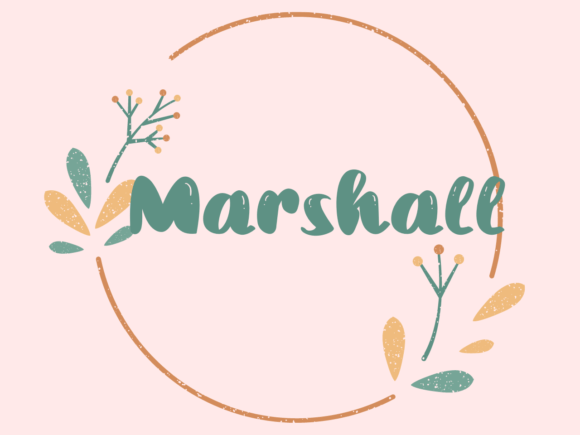
In a digital landscape dominated by geometric sans-serifs and algorithmically perfect typefaces, there is a growing hunger for imperfection. This craving for authenticity has given rise to Marshall, a character design concept that bridges the gap between traditional calligraphy and modern digital utility. Marshall is not merely a font; it is a dynamic system where the concept of handwriting is reimagined through the application of diverse digital brushes. By simulating the pressure, texture, and erratic flow of ink on paper, Marshall allows creators to inject a human soul into their visual communication. Whether you are designing a wedding invitation or crafting a brand identity, this approach ensures your work stands out with a uniqueness that standard type libraries simply cannot replicate.
The Evolution from Static Type to Dynamic Character Design
Typography has always been a reflection of its time. For decades, the industry prioritized legibility and uniformity. However, as screens became our primary medium for reading and interacting, the rules began to shift. Audiences today are visually literate in ways previous generations were not; they can instantly distinguish between mass-produced content and something crafted with intent. This shift has propelled the evolution of tools like Marshall, which moves beyond static glyphs to embrace the fluidity of character design.
What makes Marshall relevant today is its ability to mimic the organic variance found in hand-lettering without requiring the user to be a master calligrapher. Traditional fonts often suffer from a "copy-paste" feel, where every instance of the letter "A" looks identical. Marshall disrupts this monotony by applying different brush algorithms to each stroke. The result is a collection of strange artistic characters that feel alive. Each letter carries the weight of a specific moment, capturing the nuance of a brush hitting a textured surface. This evolution reflects a broader market preference for bespoke, artisanal aesthetics in an increasingly automated world.
Why Uniqueness Matters in Modern Branding
For professionals, entrepreneurs, and marketers, standing out is no longer optional; it is a necessity. In a saturated market, generic typography blends into the background noise. Marshall offers a solution by providing a distinct visual voice. When you use a font designed with the novelty of varied brush strokes, you immediately signal creativity and attention to detail. This prominence is crucial for businesses aiming to build a memorable brand identity.
Consider the impact on personal branding. A freelancer using Marshall for their portfolio headers or social media graphics creates an immediate association with artistry and custom work. The font's inherent irregularity suggests that the creator values individuality over conformity. This psychological cue resonates with clients who are looking for partners that bring a fresh perspective to their projects. By leveraging the unique characteristics of Marshall, creators can elevate their work from functional to inspirational, ensuring their message is not just read, but felt.
Applying Marshall Across Creative Workflows
The versatility of Marshall extends far beyond simple text entry. Its design philosophy allows it to adapt to various creative workflows, making it a powerful asset for designers, educators, and hobbyists alike. The key lies in understanding how to apply the different brush concepts embedded within the typeface to suit specific contexts.
- Greeting Cards and Invitations: For events like weddings, birthdays, or anniversaries, the emotional weight of the message is paramount. Marshall’s handwritten aesthetic brings a warmth that printed block letters lack. The variation in stroke width and the subtle "shakes" of the brush simulate a personal note written by hand, making the recipient feel specially addressed.
- Letterhead and Correspondence: In professional correspondence, a touch of personality can soften the tone without sacrificing credibility. Using Marshall for signatures or salutations adds a layer of sophistication. It transforms a standard email or letter into a piece of correspondence that feels curated and thoughtful.
- Packaging and Product Labels: Small businesses often rely on packaging to tell their story. Marshall’s strange artistic characters can serve as a focal point on labels, suggesting that the product inside is handmade or crafted with care. This aligns perfectly with consumer trends favoring artisanal and small-batch goods.
- Digital Content and Social Media: In the fast-scrolling environment of social media, bold and unusual typography stops the thumb. Marshall’s high-contrast brush strokes create visual interest that captures attention quickly, making it ideal for headlines, quotes, and promotional graphics.
Mastering the Art of Brush Variation
To truly harness the power of Marshall, one must understand the mechanics behind its brush application. Unlike standard fonts that rely on vector outlines, Marshall incorporates parameters that simulate different brush types—from dry, scratchy nibs to soft, watercolor-like tips. This variety allows the designer to choose the mood of the text. A sharp, jagged brush might convey urgency or raw emotion, while a smooth, flowing brush suggests elegance and calm.
This capability changes how we approach typography design artwork. Instead of selecting a font and sticking with it, users can manipulate the brush settings to create variations within a single document. This flexibility means that no two pieces of text need to look exactly the same, even if they use the same underlying typeface. For example, a wedding card might utilize a softer, more romantic brush setting for the couple's names, while a corporate newsletter might opt for a bolder, more structured brush style to maintain professionalism while retaining character.
Practical Implications for Creators and Businesses
Integrating Marshall into your workflow requires a shift in mindset. It encourages creators to view typography not just as a vehicle for information, but as an integral part of the visual narrative. For business owners, this means investing in design elements that communicate value before a single word is read. The novelty of the font acts as a silent ambassador for your brand's commitment to quality and innovation.
Furthermore, the adoption of such character-driven designs addresses a changing habit among consumers: the desire for connection. In an era of AI-generated content and stock imagery, people crave things that feel real. Marshall satisfies this need by introducing human-like imperfections. These "flaws" are actually features that build trust and relatability. When a customer sees a greeting card or a website header that looks like it was drawn rather than generated, they subconsciously attribute those qualities to the sender or the brand.
However, practical application requires restraint. While the strange artistic characters of Marshall are striking, they should be used strategically. Overuse can lead to visual clutter and reduce readability. The most effective approach is to use Marshall for headlines, short phrases, or decorative elements where the artistic impact is maximized, while reserving more legible typefaces for body text. This balance ensures that the novelty of the font enhances the message rather than obscuring it.
Future Trends in Expressive Typography
Looking ahead, the trajectory of typography points toward greater expressiveness and interactivity. Tools like Marshall are paving the way for a future where fonts are not static assets but dynamic systems capable of adapting to context. As technology advances, we may see even more sophisticated simulations of physical media, allowing for real-time manipulation of brush textures and pressures directly within design software.
This evolution will likely influence how businesses approach their visual identity. The ability to customize typography at a granular level will become a standard expectation for brands seeking differentiation. Those who adopt these practices early, experimenting with the unique capabilities of brush-based character design, will set the standard for the industry. The focus will remain on creating experiences that resonate emotionally, using the power of design to forge deeper connections with audiences.
Ultimately, Marshall represents more than just a new font option; it signifies a return to the roots of writing as a personal, tactile act. By embracing the concept of handwriting through advanced digital brushes, creators can ensure their work remains prominent, memorable, and deeply human. Whether you are designing a simple letter or a complex brand campaign, the choice to use Marshall is a choice to prioritize uniqueness and artistic integrity in every stroke.