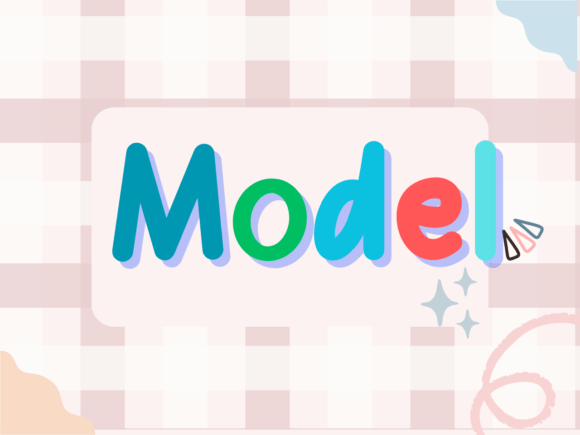
Model: The Handwritten Font Redefining Digital Authenticity
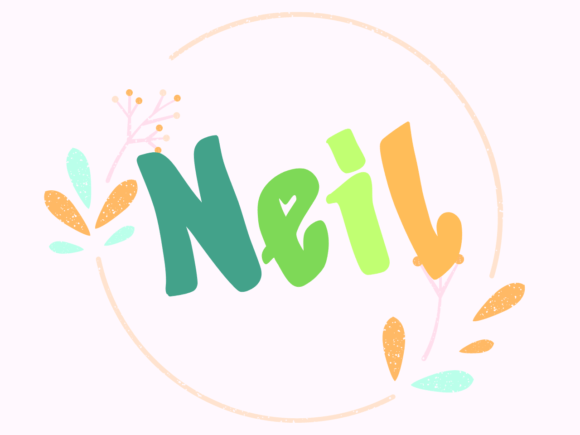
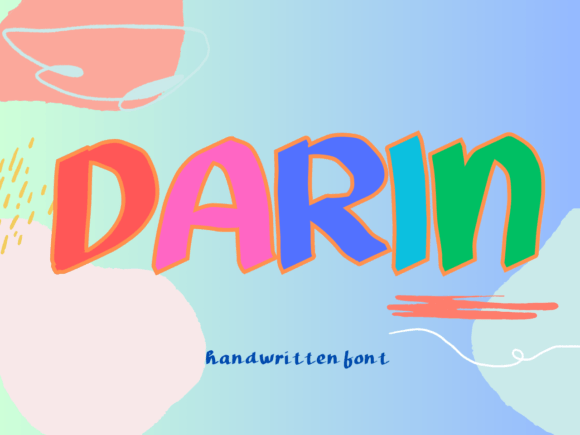
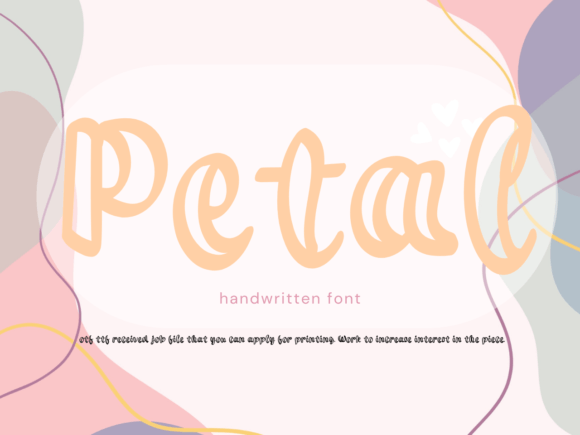
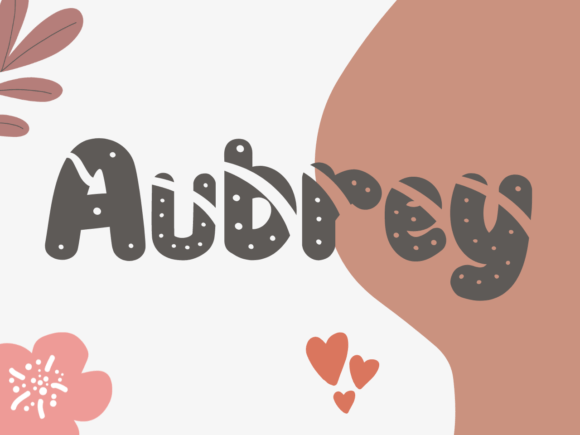
In an era dominated by sleek, uniform sans-serifs and algorithmic perfection, a new aesthetic movement is gaining traction among designers, marketers, and brand strategists. At the forefront of this shift is Model, a typeface that challenges the sterile nature of standard digital communication. It is designed from the concept of handwriting by applying different brushes, creating a visual language that feels organic, human, and deeply personal. With this designed font, your work will be highlighted with the novelty of the font, offering a distinct competitive edge in a crowded marketplace.
The rise of Model is not merely a trend in typography; it represents a broader cultural pivot towards authenticity. As audiences become increasingly fatigued by mass-produced content, there is a growing demand for materials that convey effort, individuality, and a human touch. This article explores how Model fits into the modern creative landscape, why professionals are turning to brush-style typography, and how integrating such tools can transform workflows and brand perception.
The Philosophy Behind Model: More Than Just a Typeface
To understand the impact of Model, one must first appreciate its foundational philosophy. Unlike traditional fonts where every letter is constructed with geometric precision, Model mimics the fluidity of physical writing instruments. It is designed from the concept of handwriting by applying different brushes, meaning that each character carries the weight, texture, and variance of a stroke made on paper. This approach allows creators to make their letters look different, ensuring that no two instances of the font feel entirely identical.
This variation is intentional. In the digital realm, consistency is often prized above all else. However, Model introduces a controlled chaos that mirrors human expression. When a user applies this font, they are not simply selecting a style; they are invoking the feeling of a handcrafted artifact. This distinction is crucial for professionals who wish to stand out. By leveraging the unique characteristics of Model, businesses can inject personality into their communications, moving away from the impersonal tone of corporate templates.
Why Brush-Style Typography Matters Now
The relevance of Model cannot be overstated in the current technological climate. We are living through a period where artificial intelligence generates text and images at unprecedented speeds. While efficiency is valuable, it often comes at the cost of soul. Consumers are becoming adept at spotting AI-generated or template-based content, leading to a "trust deficit" in digital interactions.
Model addresses this deficit by reintroducing the element of the handmade. It signals to the viewer that time and care were invested in the creation of the message. Whether used in a marketing campaign, a freelance portfolio, or a lifestyle blog, the font acts as a visual cue of authenticity. It suggests that behind the screen is a real person with a unique perspective, rather than a faceless entity churning out content.
Integrating Model into Professional Workflows
For entrepreneurs and creatives, the adoption of Model requires a shift in mindset regarding design and communication. It is not just about swapping a font file; it is about reimagining how visual hierarchy and emotional resonance are achieved. Here is how professionals are successfully integrating this tool into their daily operations:
- Brand Differentiation: Startups and small businesses often struggle to compete with established giants on budget alone. By using Model for headlines, logos, or key messaging, these entities can create a memorable visual identity. The novelty of the font ensures that the brand stands out in social media feeds and email newsletters.
- Personalized Marketing: Marketers are finding that campaigns utilizing handwritten styles generate higher engagement rates. A sales pitch written in a standard font may be ignored, but one presented with the warmth of Model feels like a personal note from a friend, increasing the likelihood of conversion.
- Creative Portfolios: Freelancers and artists use Model to frame their work. When a portfolio uses a font that looks different from the norm, it immediately signals creativity and attention to detail. It tells potential clients that the creator values aesthetics and uniqueness.
The practical application of Model extends beyond simple text replacement. Because it is designed from the concept of handwriting by applying different brushes, it pairs exceptionally well with other organic elements like watercolor textures, rough paper backgrounds, or candid photography. This synergy creates a cohesive visual narrative that resonates with modern consumers seeking genuine connections.
Shifting Consumer Expectations and Market Trends
The market is evolving rapidly, driven by changing consumer preferences. Today's audience values transparency, sustainability, and human-centric values. They prefer brands that tell stories rather than those that simply sell products. Model aligns perfectly with these shifting expectations. It serves as a bridge between the digital and the physical, bringing the tactile quality of the analog world into the virtual space.
Consider the lifestyle sector, where influencers and content creators dominate. The most successful accounts are those that feel "real." They show unpolished moments, handwritten notes, and personal touches. Using a font like Model amplifies this effect. It reinforces the idea that the content is curated by a human being, not an algorithm. This is particularly important in industries like wellness, education, and artisanal goods, where trust and personal connection are paramount.
Furthermore, the technology sector is also embracing this trend. Even in high-tech environments, there is a move towards "humanizing" interfaces. User experience (UX) designers are incorporating more organic shapes and variable typography to make software feel less rigid and more approachable. Model fits seamlessly into this paradigm, offering a way to soften the edges of digital products without sacrificing functionality.
The Psychology of Handwriting in a Digital Age
There is a psychological component to why Model is so effective. Handwriting has historically been associated with intimacy, authority, and permanence. Think of a signed contract, a love letter, or a teacher's feedback on an essay. These documents carry weight because they bear the mark of the author. When we see digital text that mimics this quality, our brains process it differently. We perceive it as more trustworthy and engaging.
By making letters look different, Model disrupts the pattern recognition that users have developed over years of scrolling through standardized web pages. This disruption captures attention and holds it longer. In an attention economy where milliseconds matter, the ability to stop a scroll is invaluable. The novelty of the font acts as a hook, drawing the reader in before the content even begins.
Future-Proofing Your Creative Strategy
Looking ahead, the integration of authentic, human-like elements into digital design will only become more critical. As AI continues to advance, the value of the uniquely human touch will appreciate. Model represents a strategic asset for forward-thinking professionals who anticipate this shift. It is not a fleeting fad but a response to a fundamental need for connection in an increasingly automated world.
Entrepreneurs and marketers who adopt Model now are positioning themselves at the forefront of this evolution. They are demonstrating an understanding of their audience's desire for authenticity. By choosing a font that is designed from the concept of handwriting by applying different brushes, they are signaling that their work is crafted with intention and care.
Moreover, the versatility of Model allows it to adapt to various contexts. From bold headlines on a website to subtle annotations in a presentation, the font offers flexibility while maintaining its core identity. This adaptability makes it a powerful tool for diverse applications, ensuring that it remains relevant across different platforms and mediums.
Conclusion: Embracing the Human Element
In conclusion, Model is more than a typographic choice; it is a statement of intent. It challenges the status quo of digital design by prioritizing the human element over mechanical perfection. For professionals, creators, and entrepreneurs, it offers a pathway to differentiate their work and connect more deeply with their audience. With this designed font, your work will be highlighted with the novelty of the font, transforming ordinary messages into extraordinary experiences.
As we navigate the complexities of the modern digital landscape, the tools we choose define how we are perceived. Model empowers us to reclaim our voice, to make our letters look different, and to ensure that our contributions are seen not just as data points, but as expressions of human creativity. By embracing this shift, we can build brands and portfolios that resonate, endure, and inspire.