The Versatile Bow Embroidery Design for Every Maker
A simple loop of ribbon tied into a knot might seem like a small detail, but in the world of textile arts and fashion, the Bow carries immense visual weight. It is a symbol of celebration, elegance, and playful charm that instantly elevates a plain surface. When translated into a digital Bow and Bow Embroidery Design, this classic motif transforms from a static image into a dynamic texture that can be stitched onto almost any fabric or material. Whether you are looking to add a finishing touch to a handmade gift or streamline production for a boutique line, understanding how to utilize this design effectively is key to achieving professional results.
Understanding the Bow Motif in Machine Embroidery
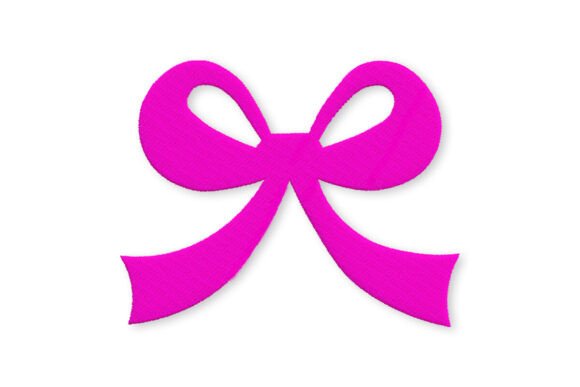
The Bow is more than just a decorative element; it is a structural challenge and an opportunity for creativity within machine embroidery. Unlike flat shapes, a realistic bow requires careful manipulation of stitch density, underlay patterns, and thread tension to create the illusion of volume and folds. A well-executed Bow and Bow Embroidery Design captures the way light hits the loops and the tails, making the flat fabric appear three-dimensional. This complexity is what makes the design so valuable across different skill levels and applications.
For those new to embroidery, the appeal lies in the immediate recognition of the shape. Everyone knows what a bow looks like, which means the finished product communicates its intent clearly without needing explanation. For seasoned professionals, the value comes from the technical execution—how the design handles tight curves, how the satin stitches align, and how the digitization prevents puckering on delicate fabrics. The versatility of the file formats included with modern designs ensures that whether you are using a home hobbyist machine or an industrial multi-head system, the intricate details of the bow remain crisp and clean.
Why Different Audiences Value the Bow Design
The utility of a Bow embroidery pattern shifts significantly depending on who is using it and why. What matters most to a hobbyist creating a personal project often differs from the priorities of a business owner scaling a product line. Understanding these nuances helps in selecting the right design features for your specific goals.
For Beginners and Hobbyists: Learning and Creativity
If you are just starting your journey with an embroidery machine, the Bow and Bow Embroidery Design serves as an excellent practice piece. It introduces fundamental concepts like hoop size, stabilizer selection, and thread color changes without being overwhelmingly complex. Beginners often prioritize ease of use and clear instructions. A design that includes multiple file formats ensures compatibility with various entry-level machines, reducing frustration during the setup phase.
Hobbyists also value the creative freedom this motif offers. You might embroider a small, colorful bow on a child's t-shirt pocket to brighten up their outfit, or perhaps stitch a larger, elegant version onto a blanket for a baby shower gift. The ability to customize the look by changing thread colors allows for endless experimentation. For the learner, the primary goal is often the joy of creation and the satisfaction of seeing a digital file transform into a tangible, textured object.
For Professionals and Small Business Owners: Efficiency and Branding
For entrepreneurs and small business owners, the focus shifts toward reliability, speed, and commercial viability. A professional needs a Bow design that produces consistent results every time, minimizing waste and rework. In a commercial setting, the "Bow" becomes a branding tool or a signature element that distinguishes a product line. Imagine a boutique selling hair accessories where every hair brush features a perfectly stitched bow logo, or a clothing brand that uses a specific bow motif on the back neck of their t-shirts.
Business owners prioritize flexibility. The availability of multiple embroidery file formats is not just a convenience; it is a necessity for scaling. If you expand your operations and upgrade your machinery, having a library of designs that work across different systems saves time and money. Furthermore, the ability to apply this design to diverse items—from beauty cases to keychains—allows for cross-selling opportunities. A single design asset can generate revenue across multiple product categories, maximizing the return on investment.
For Educators and Marketers: Engagement and Presentation
Educators in craft schools or online course creators find the Bow and Bow Embroidery Design useful for teaching digitization principles. Because the bow has distinct parts (loops, center knot, tails), it is an ideal subject for breaking down how different stitch types contribute to the final image. Students can learn about pull compensation, density adjustments, and sequencing by analyzing how the bow is constructed.
Marketers and bloggers, on the other hand, leverage the aesthetic appeal of the bow for content creation. High-quality images of embroidered bows on trendy items like pocket mirrors or stylish blankets perform well on social media platforms. The visual "pop" of a satin-stitched bow catches the eye in a feed full of flat images, driving engagement and traffic. For these users, the presentation quality of the design is paramount; it must look flawless in photographs to serve its promotional purpose.
Practical Applications Across Various Items
The true strength of the Bow design lies in its adaptability. It is not confined to a single type of garment or accessory. Here is how different users might approach applying this design to common items:
- Clothing and T-Shirts: On apparel, the bow acts as a focal point. Placing it on a pocket, near the hem, or centered on the chest changes the garment's style from casual to chic. Professionals might use it to create limited-edition runs, while hobbyists might personalize gifts for friends and family.
- Pocket Mirrors and Keychains: These smaller items require precision. The design must be scaled correctly to fit the available space without losing definition. The durability of the stitching is crucial here, as these items are handled frequently. A well-digitized bow will withstand the wear and tear of daily use.
- Hair Brushes and Beauty Cases: Adding a bow to functional beauty tools adds a touch of luxury. For a beauty case, the embroidery can reinforce the handle or decorate the flap. On a hair brush, it serves as a unique identifier. This application is particularly popular for wedding party gifts or bridal party favors.
- Blankets and Home Textiles: Larger scales allow for bolder interpretations. A giant bow in the corner of a throw blanket creates a cozy, inviting atmosphere. Here, the choice of thread material and color palette becomes critical to match home decor styles.
Evaluating Your Needs and Goals
Before downloading or purchasing a Bow and Bow Embroidery Design, take a moment to assess your specific requirements. Are you looking for a quick fix to a personal project, or do you need a robust asset for a commercial launch? If you are a beginner, prioritize designs that come with helpful documentation and support for common machine errors. If you are a business owner, look for high-resolution files that offer maximum scalability and compatibility with your current and future equipment.
Consider the end product. Will the item be washed frequently? Will it be worn against sensitive skin? These factors influence the choice of thread and stabilizer, which in turn affects how the bow should be digitized. A design that works beautifully on a thick denim jacket might need adjustments to sit well on a silky scarf. By understanding the relationship between the design, the machine, and the material, you ensure that the final result meets your expectations.
Ultimately, the Bow remains a timeless element in the world of embroidery. Its ability to bridge the gap between simple decoration and sophisticated craftsmanship makes it a staple for everyone from the weekend crafter to the industry veteran. With the right tools and a clear understanding of your objectives, this versatile design can become the defining feature of your next creative project.